

Grünes Kreuz Emergency Service – Zell am See
Qualified non-emergency medical transport in Zell am See, Austria and Europe
Grünes Kreuz Zell am See provides qualified patient transports in Zell am See, Leobersdorf in Lower Austria, throughout Austria, and cross-border within Europe. Trained paramedics reliably accompany patients from pickup to personal handover at the desired destination.
Depending on the patient’s health condition, mobility, and medical instructions, we provide seated patient transports, lying patient transports, and stretcher chair transports. Our services also include long-distance patient transport, hospital transfers, return transports, and medical repatriations within Europe.
Medical transport and patient transport – our services
Whether for an examination, hospital stay, therapy, rehabilitation, or medical transfer: Grünes Kreuz Zell am See organizes medical transports individually according to the patient’s health condition, mobility, and organizational requirements.
Our services include medical transport to hospitals and doctors, dialysis and therapy trips, return transports, hospital transfers, regular patient transport, as well as seated and stretcher medical transport. We also organize longer trips within Austria and cross-border medical transports in Europe.
Patient transports in Zell am See and Leobersdorf
Grünes Kreuz Zell am See operates from two locations for regional and supra-regional medical transport: Zell am See in the state of Salzburg and Leobersdorf in Lower Austria.
From our locations, we organize medical and patient transport to medical facilities in Salzburg, Lower Austria, and throughout the rest of Austria. Long-distance trips and cross-border transports within Europe are also possible.
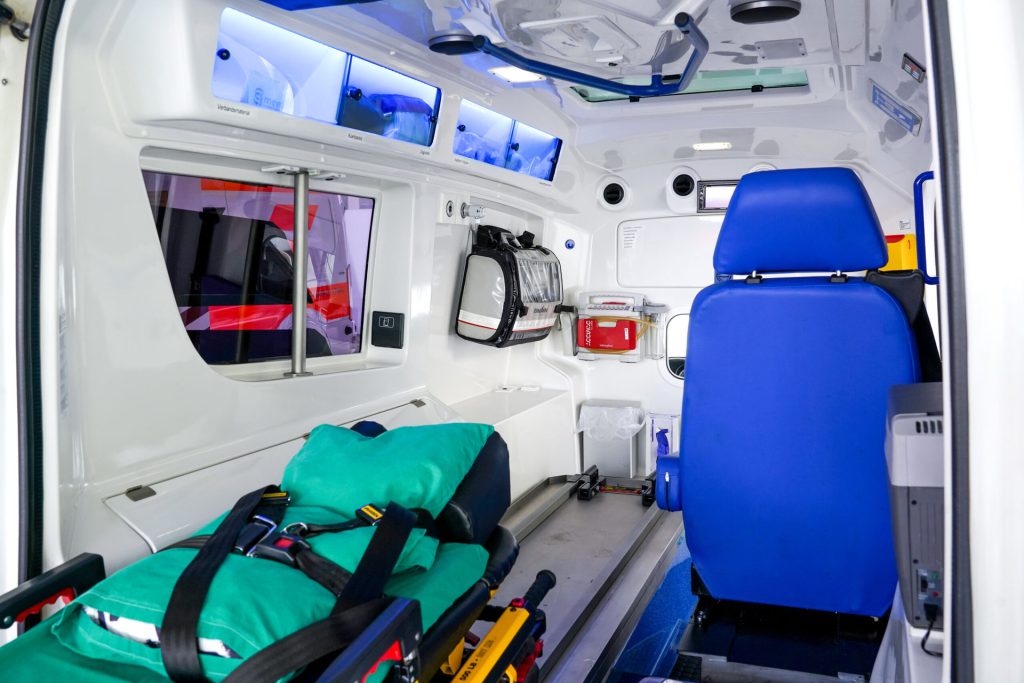
Patient transports throughout Austria and Europe
Our patients can be picked up throughout Austria and in other European countries and brought to their desired destination. In addition to regional medical transport, we handle long-distance patient transport, medical transfers, return transports, and cross-border medical transport within Europe.
The pickup or destination location can be in Austria as well as in other European countries. Possible destinations include hospitals, specialist clinics, rehabilitation and care facilities, or the patient’s own home. This allows medical transport over longer distances to be organized individually.
Repatriation from abroad and patient return transport from Europe
Grünes Kreuz Zell am See organizes medical repatriations, return transports, and international patient transport within Europe. Patients can be picked up in other European countries and safely brought to Austria or another desired destination within Europe.
Every medical repatriation is planned individually and adapted to the patient’s health condition and mobility. Depending on medical requirements, the return transport can be carried out seated or lying down and accompanied by trained paramedics over long distances.
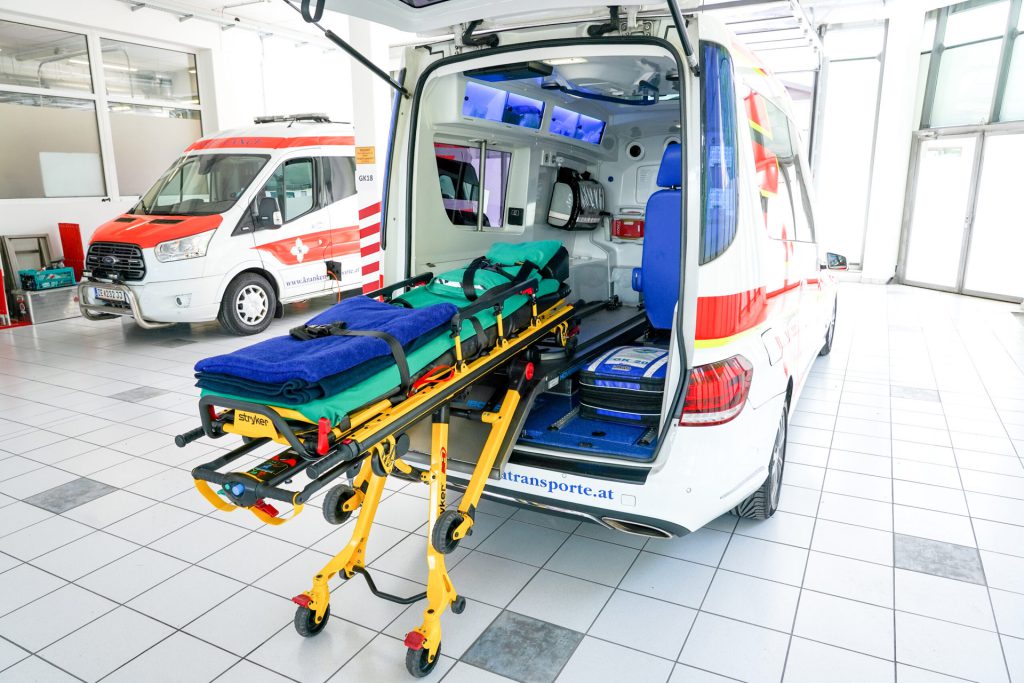
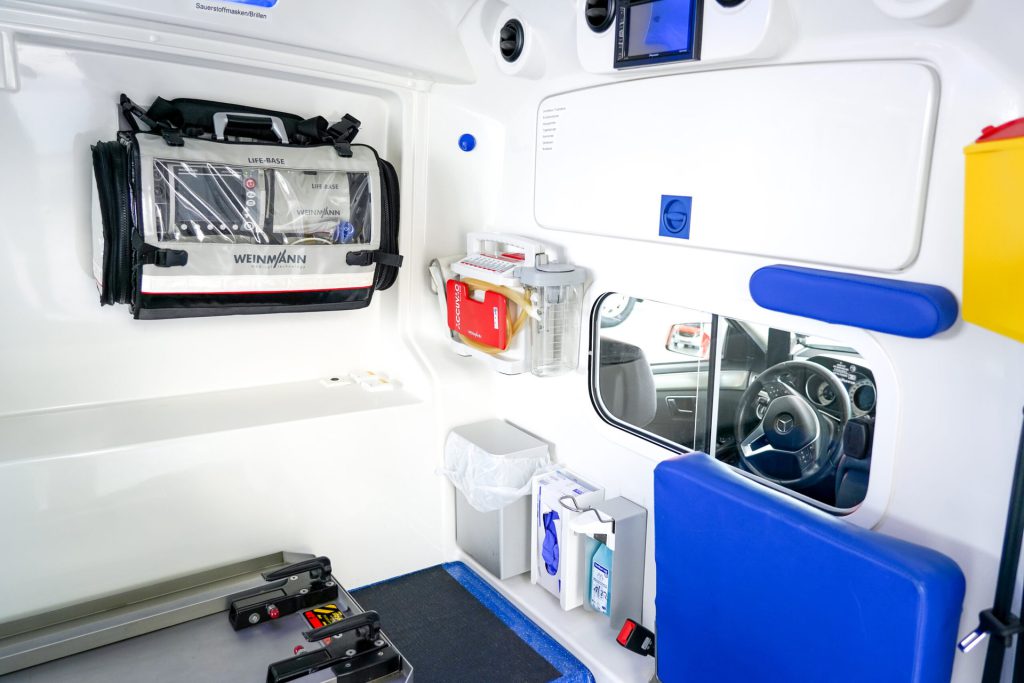
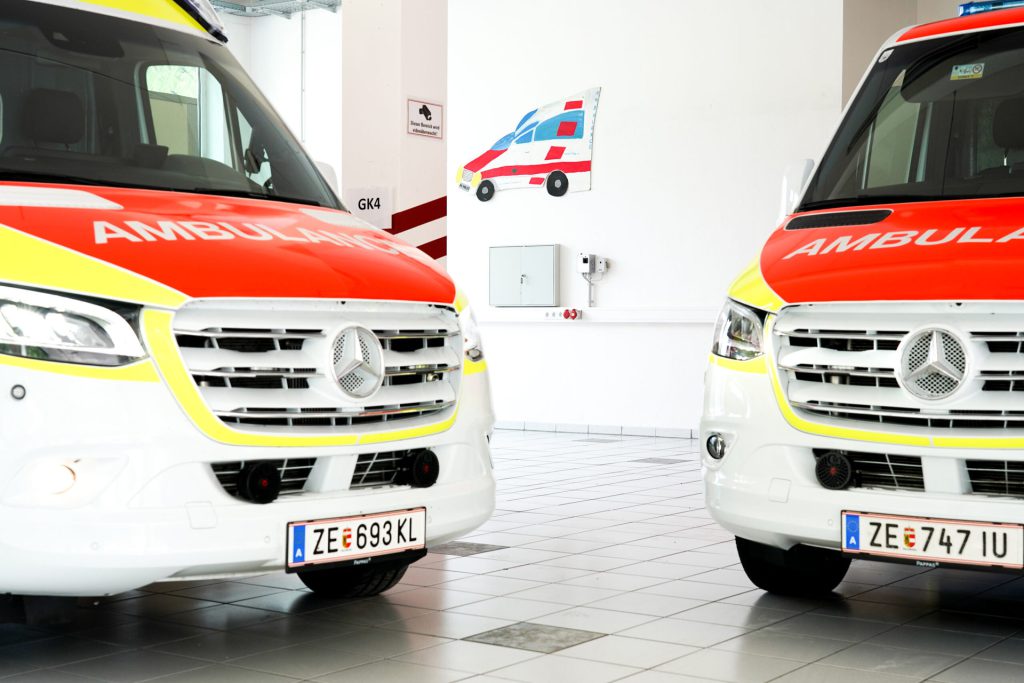
Seated, stretcher, or stair chair transport
Not every patient can be transported in the same way. That is why the mode of transport is individually adapted to the patient’s health situation and mobility.
Seated non-emergency medical transport
Seated non-emergency medical transport is suitable for patients who can sit during the journey but need assistance when walking or getting in. Our paramedics assist with pickup and safely accompany the patient to the destination.
Stretcher transport
If a patient cannot be transported seated for medical reasons, the transport is carried out lying down. The patient is properly positioned on the designated transport stretcher and cared for by the transport team during the journey.
Transport by stair chair
A stair chair may be used if a patient is not sufficiently able to walk and stairs or hard-to-access areas must be negotiated at the pickup or destination location. Please inform us already when making your request about stairs, narrow access routes, or other local specifics.
The appropriate mode of transport is determined in advance based on the known medical and spatial requirements.
Clinic Transport and Medical Transfer within Austria
Grünes Kreuz Zell am See provides inter-hospital transports to hospitals, specialists, therapy centers, rehabilitation and care facilities in Austria. Our services are aimed at patients and relatives as well as clinics, medical practices, nursing homes and other medical facilities.
Possible destinations for medical transport include, among others:
- Hospitals and specialist clinics
- Doctors’ and specialist practices
- Diagnostic and therapy centres
- Rehabilitation facilities
- Health resorts
- Nursing homes and assisted living facilities
- Dialysis centres
- Radiation therapy facilities
- outpatient surgery centres
- your home after treatment
For regular treatments, recurring trips can also be organised after coordination.
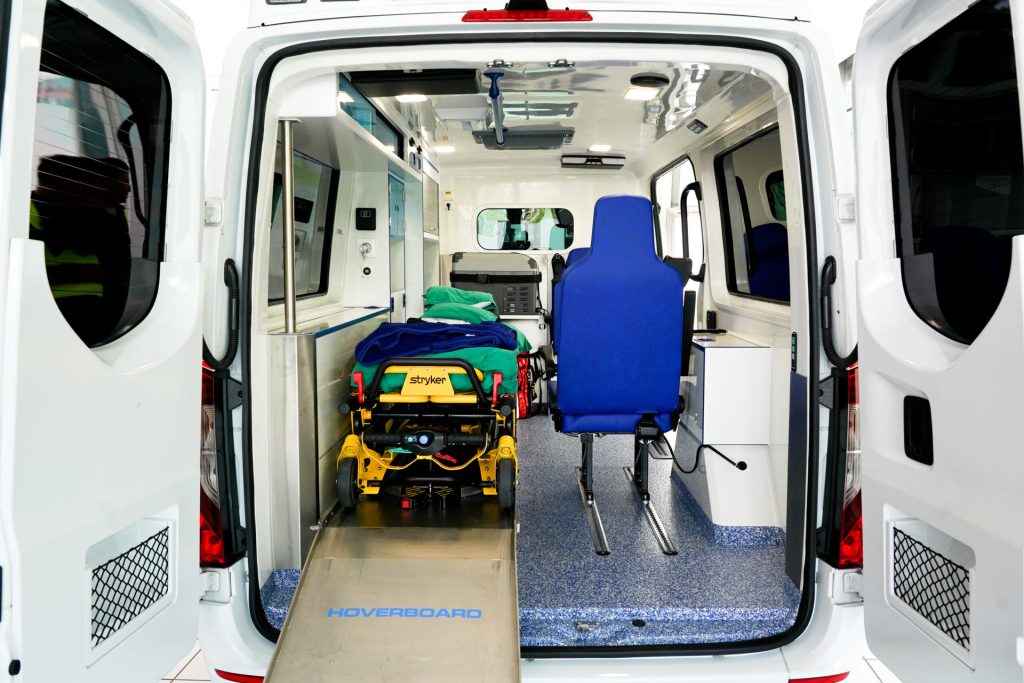
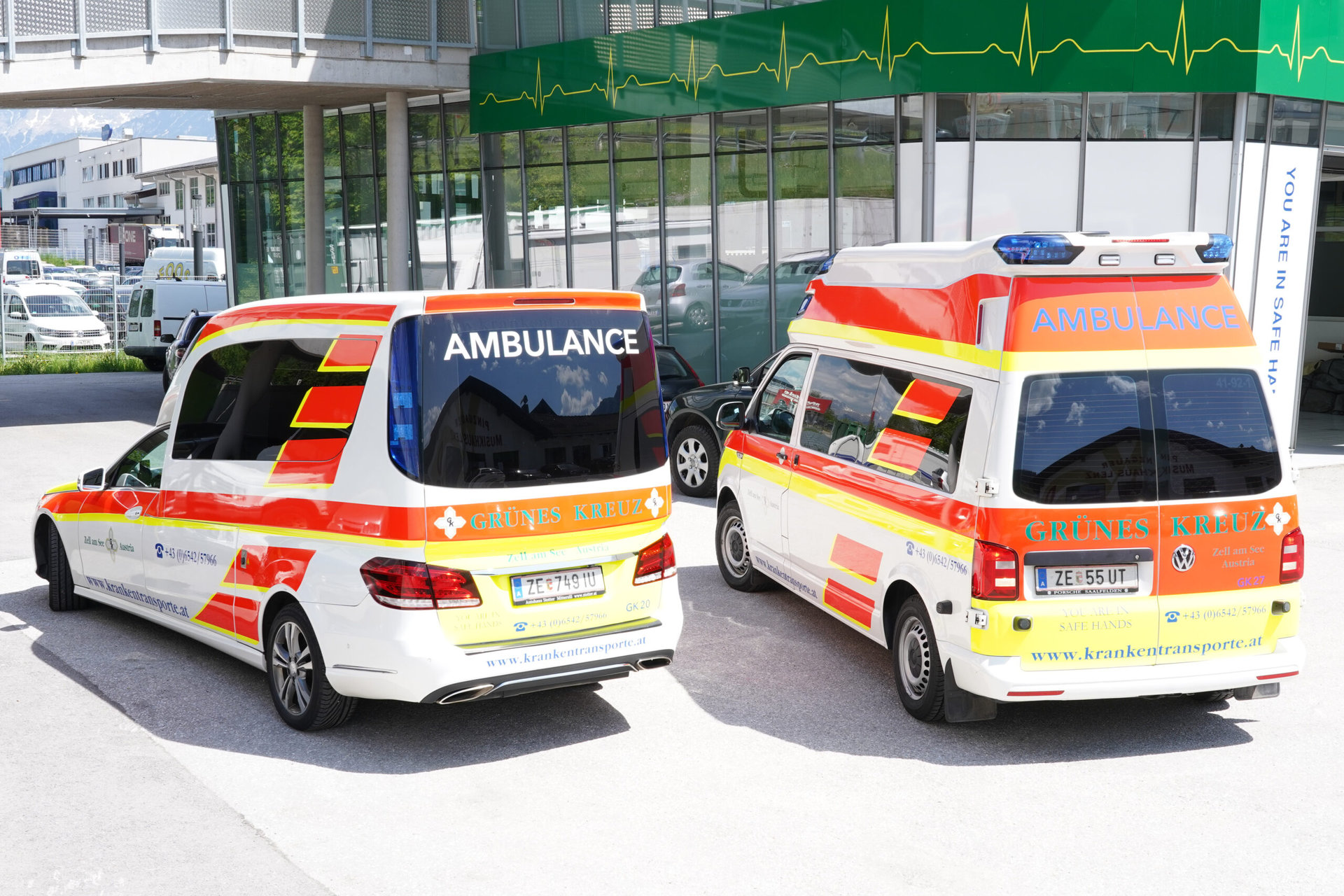
How a patient transport works
To plan a medical transport, we need information regarding the pickup location, destination, desired time, as well as the patient’s health condition and mobility. Additionally, it is clarified whether the transport should be seated, lying down, or with a carry chair, and whether there are special spatial requirements at the pickup or destination location.
Our transport team picks up the patient at the agreed location, supports them according to their mobility, and accompanies them throughout the entire journey. Upon arrival, a personal handover to the medical, nursing, or private contact person takes place.
What is qualified non-emergency medical transport?
A qualified patient transport is a medically supervised patient transfer. It is used when a patient requires special support due to their health condition or limited mobility, or when accompaniment by trained paramedics is necessary during transport.
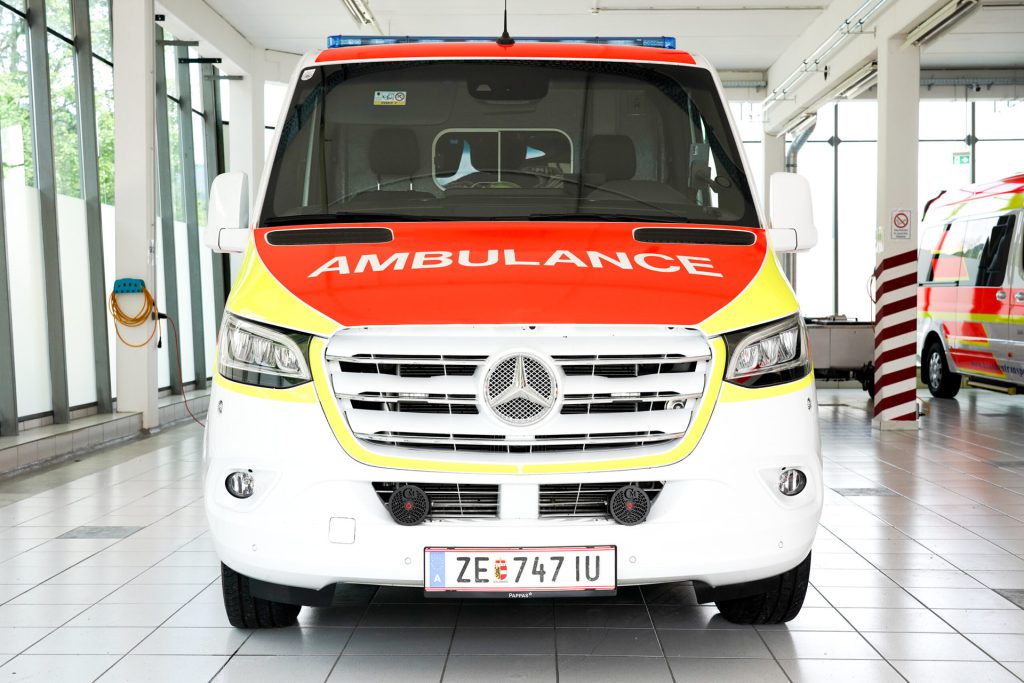
Unlike a standard taxi or transport service, the transport takes place in a suitably equipped medical transport vehicle. Our paramedics support the patient during pickup, getting in and out, positioning, and throughout the entire journey.
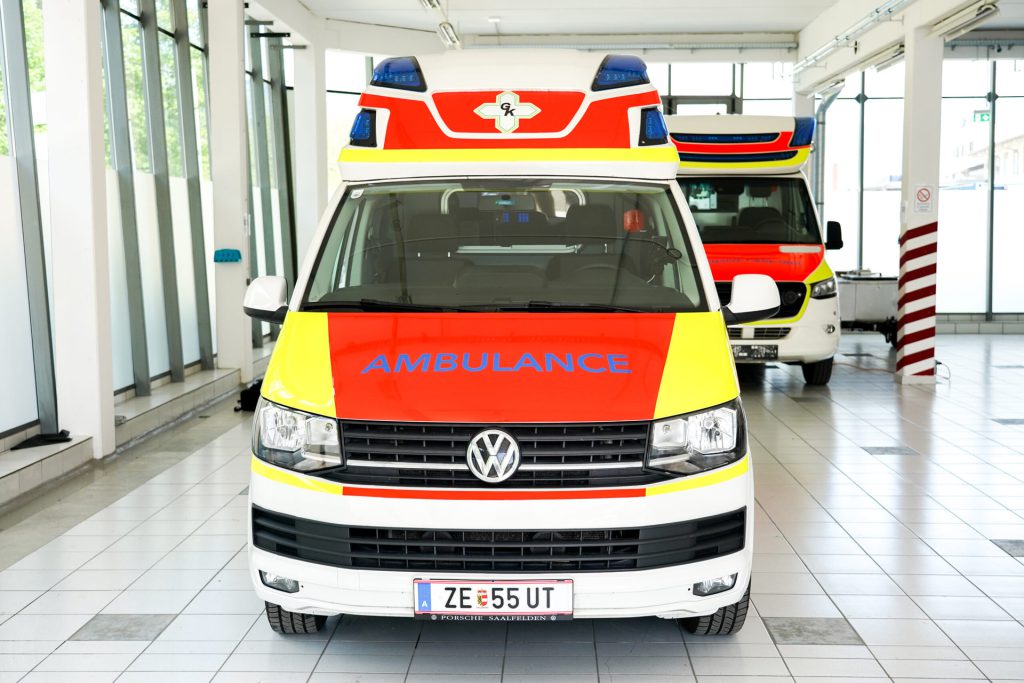
When is non-emergency medical transport needed?
Medical transport may be required if a patient cannot reach a medical facility independently or via a standard transport service. Typical occasions include examinations and treatments, hospital admissions and discharges, rehabilitations, dialysis or radiation therapies, hospital transfers, and return transports.
Qualified medical transport may also be necessary for limited mobility, required stretcher transport, long-distance trips, or medical repatriation from abroad. The suitable form of transport depends on the health condition, mobility, and, if applicable, the medical order.
Frequently asked questions about qualified non-emergency medical transport
A medical ride generally serves to transport a patient who does not require care by paramedics. With qualified non-emergency medical transport, the patient is accompanied by trained paramedic staff and transported in an appropriately equipped non-emergency medical transport vehicle. Which type of transport is necessary depends on the patient’s condition and the doctor’s assessment.
You can request a non-emergency medical transport by phone 24/7 or via our enquiry form. Please tell us the pickup location, the desired destination, the time, and the required mode of transport. For short-notice transports, we recommend contacting us directly by phone.
Whether a doctor’s prescription or a transport authorisation is required depends on the reason for transport and the requirements of the responsible insurance provider. For medically necessary non-emergency medical transport, the prescription should ideally be clarified in advance with the treating doctor.
Possible cost coverage depends, among other things, on medical necessity, the doctor’s prescription, the type of transport, and the conditions of the respective insurance provider. Before the transport, clarify whether the costs will be covered in full or in part and whether a co-payment may apply.
Yes. Patients who cannot be transported seated for health reasons can be transported lying down. Please let us know about this requirement when making your request so that the appropriate vehicle can be scheduled.
Yes. A stair chair can be used if a patient is not sufficiently able to walk or if stairs must be negotiated. Please inform us in advance about the number of floors, whether there is a lift, and any narrow access routes.
Whether an accompanying person can travel along depends on the mode of transport, the available space, and the health situation. Please let us know of this request when enquiring so that we can check and take it into account during planning.
Yes, by prior arrangement we also provide return transport from medical treatment, a hospital, or a therapy facility. Outbound and return journeys should ideally be stated already when making your request.
Yes. Grünes Kreuz also provides regularly recurring patient transports, for example to dialysis, radiation therapy, or other medically necessary treatments. Appointments and organisational requirements are coordinated in advance.
Yes. In addition to regional journeys from Zell am See, we organise patient transports and medical transfers to facilities throughout Austria. Implementation depends on the route, transport requirements and availability.
Yes. Grünes Kreuz provides medically supervised patient transports and repatriations in Europe. Transports are particularly frequent between Austria and Germany, Italy, France or Switzerland. Additional countries can be reviewed individually.
Request non-emergency medical transport personally
Do you need qualified non-emergency medical transport in Zell am See, a medical transfer within Austria, or a supervised patient transport over a longer distance? Our team will advise you personally and clarify the required mode of transport and the organisational requirements with you.